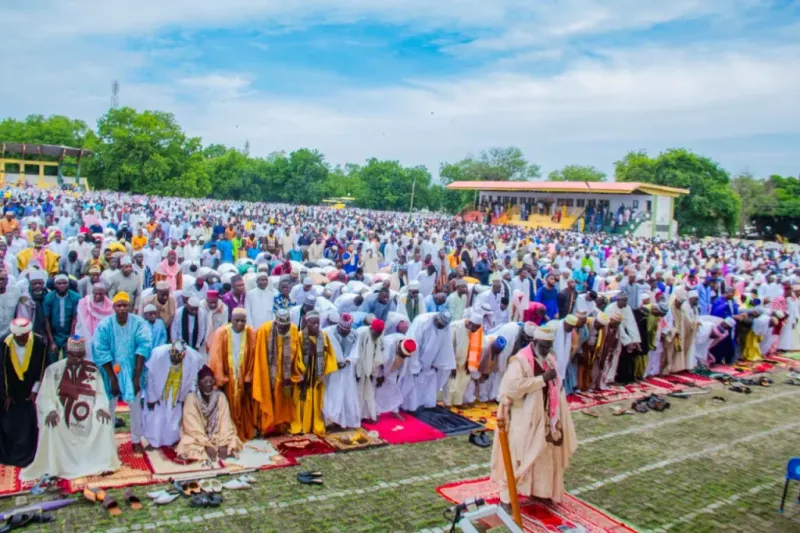
Each year, Eid-ul-Adha brings together millions of Muslims around the world in a celebration rooted in faith, sacrifice and generosity.
In Ghana, however, the festival is more than a religious observance.
It has evolved into an important economic and social event that supports livelihoods, promotes charitable giving, strengthens family and community bonds, and contributes to national cohesion.
Observed as a statutory public holiday, Eid al-Adha occupies an important place in Ghana’s cultural landscape.
The 2026 celebration, marked nationwide on Wednesday, May 27, 2026, once again highlighted the festival’s far-reaching impact on individuals, businesses and communities across the country.
Beyond its spiritual significance, Eid-ul-Adha generates economic activity across multiple sectors while reinforcing values of compassion, sharing and social responsibility.
These contributions underscore its importance not only to the Muslim community but also to Ghana’s broader development and social fabric.
Economic benefits
Eid-ul-Adha is not only a significant religious observance; it is also an important driver of economic activity across Ghana.
Each year, the festival contributes to livelihoods, trade and consumer spending across multiple sectors of the economy.
One of the most visible economic effects of the celebration is the surge in demand for livestock. In the weeks leading up to Eid, traders, farmers and livestock dealers record increased sales of cattle, sheep and goats as Muslim families prepare for Qurbani (sacrifice).
This heightened demand benefits a broad network of economic actors, including herders, transport operators, feed suppliers, veterinary service providers, butchers and market traders.
For many households, particularly in northern Ghana, the period represents an important source of seasonal income.
The economic impact extends well beyond livestock markets.
Demand rises for clothing, footwear, food items and household supplies, creating opportunities for traders, tailors, dressmakers, caterers and food vendors. Markets become busier as families prepare for celebrations, while restaurants and food establishments benefit from increased patronage.
The festive season also stimulates activity in the transportation and hospitality sectors.
Family reunions and social visits lead to increased demand for bus services, taxis, ride-hailing services and private transport, while hotels and guest houses benefit from the movement of people across the country.
In addition, many Ghanaians living abroad send money home to support the purchase of sacrificial animals, family celebrations and charitable activities.